iOS Phones — Find & Compare
iOS is Apple’s mobile operating system, exclusive to the iPhone. Every iPhone ships with iOS pre-installed and receives updates directly from Apple — no carrier or manufacturer delays. That direct control over h…
iOS Phone Reviews & Rankings
Feels like last year’s model with a premium, but excels in display brightness and battery life.
The decision between the iPhone 13 Pro and the iPhone 13 Pro Max essentially comes down to screen size and battery life. If you want the best of both — and don’t mind the price tag — the Pro Max is the ultimate 2021 iPhone model.
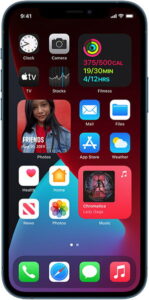
No editorial review yet. View full specs →

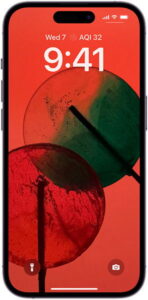
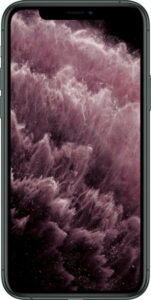
A feature-rich, premium phone offering smooth performance and excellent camera quality, despite a familiar design.

Unless you need the best screen available, the iPhone 11 is the phone in Apple’s 2019 lineup to suit the average buyer. It has enough battery for work and play, can handle any app or game you throw at it, and looks good while doing so. But unless you’re a light phone user, plan to pick up a faster charger.
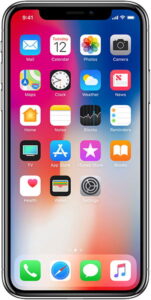

If you’ve bought an iPhone in the last couple years, the newest model is more of the same — albeit it better. But for first-time iPhone buyers, creatives, those looking for the absolute best mobile experience available, or owners of much older iPhones, the iPhone 13 Pro is a powerful, premium phone. Be warned, however, it has a price tag to match.

No editorial review yet. View full specs →
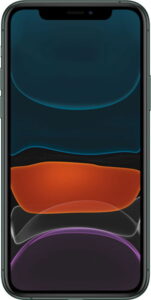
No editorial review yet. View full specs →


Unless you already own an iPhone X, the Xs is a worthy upgrade to just about any other phone on the market. It offers a great camera, unmatchable performance, a beautiful display, and a sleek design — but it comes with a hefty price tag.
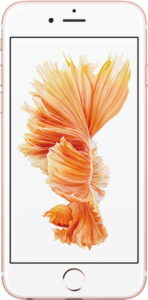
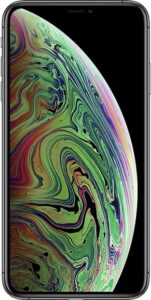
No editorial review yet. View full specs →

Popular phone comparisons
Head-to-head reviews for the most common matchups

About iOS
iOS is Apple’s mobile operating system, exclusive to the iPhone. Every iPhone ships with iOS pre-installed and receives updates directly from Apple — no carrier or manufacturer delays. That direct control over hardware and software is the foundation of what makes iPhones perform consistently across their entire supported lifespan.
iOS powers a smaller but highly curated range of devices. Apple releases one iPhone lineup per year, which makes choosing straightforward: pick your size, your budget, and your camera priorities. Use the Budget and Size filters above to find the iPhone that fits your needs.
Updates and software support
Apple offers some of the longest software support windows in the industry. Current iPhones receive a minimum of five years of iOS updates, with many models supported for six or seven years. Every supported device gets the same iOS version on the same day — no waiting for a manufacturer to adapt and push the update. Check each iPhone’s software section in our reviews to see exactly how we factor update longevity into the Compass Score.
Ecosystem and apps
iOS gives you access to the App Store — Apple’s tightly reviewed app marketplace — plus deep integration with iCloud, iMessage, FaceTime, AirDrop, and the broader Apple ecosystem including Mac, iPad, Apple Watch, and Apple TV. If you already use other Apple devices, an iPhone slots in with very little friction. The trade-off is less customization flexibility compared to Android, and no sideloading outside of developer modes.
iOS vs Android
iOS leads on software consistency, long-term update support, and cross-device integration with other Apple products. Android wins on hardware variety and price range flexibility. If you’re deciding between the two platforms, use our comparison tool to put any iPhone head-to-head against an Android phone and see exactly how they differ on camera, battery, display, and performance.
Questions & answers
Have a question about iOS phones? Ask it here — our community will answer.
Your name shows with your question.
✓ Question submitted — we'll notify you when someone answers.
We sent a verification link to . Click it to publish your question.
Can't find it? Check your spam folder.